Petra Schmid · 5 September 2026
Ancient Trade Routes Reveal Strategies for Addressing Modern Supply Chain Disruptions
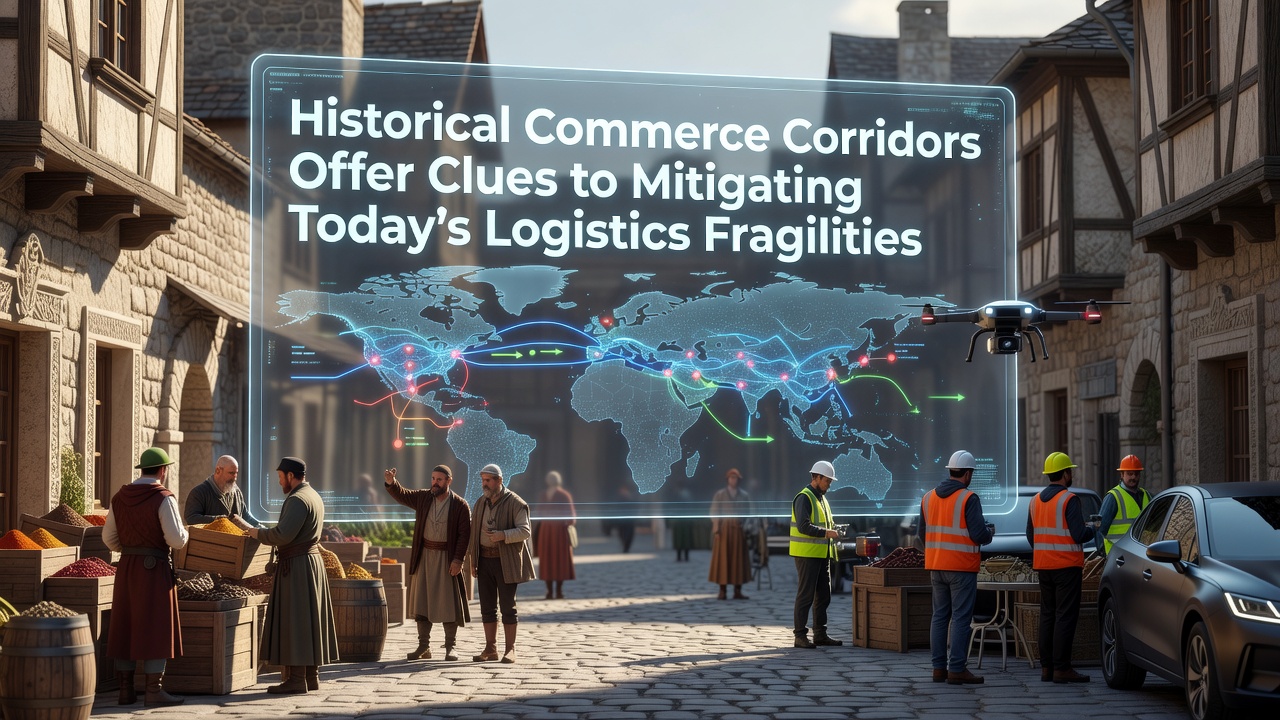
Historical commerce corridors such as the Silk Road and the Roman Via Appia connected distant economies through established pathways that balanced multiple transport modes and diversified nodes, and researchers have documented how these networks maintained flow despite seasonal obstacles and political shifts. Data from archaeological and economic studies show that traders along these routes adapted by rerouting shipments around conflicts or weather events, which allowed goods to continue moving between Asia and Europe over centuries. Observers note that such flexibility contrasts with many contemporary systems that concentrate volume through single chokepoints like the Suez Canal or Strait of Malacca.
Core Features of Historical Corridors
Merchants on the Silk Road maintained parallel caravan paths and river connections that spread risk across several arteries, while Roman engineers built redundant roads and ports that linked inland production centers to Mediterranean harbors. Records indicate these networks incorporated local intermediaries who supplied alternative storage and transport options when primary routes faced blockades or floods. Trade volume data compiled by historians reveal steady exchanges of silk, spices, and metals even during periods of empire decline, because operators shifted loads to secondary paths rather than halting operations.
Those who have examined ledger fragments and port registries find that seasonal scheduling played a key role, with caravans departing in coordinated waves that avoided peak monsoon or winter conditions. This approach reduced simultaneous pressure on any single segment and gave operators time to repair infrastructure or negotiate new agreements with regional authorities. Evidence from multiple regions demonstrates that such planning contributed to the longevity of these corridors across political changes.
Current Logistics Fragilities and Documented Patterns
Modern supply chains often route the majority of container traffic through a handful of deep-water ports and narrow straits, and statistics from international transport agencies show that disruptions at these points create cascading delays measured in weeks or months. A 2021 blockage in the Suez Canal halted roughly 12 percent of global trade volume for six days, according to figures released by maritime authorities. Similar concentrations appear in rail and trucking networks where just-in-time inventory models leave little buffer when one highway or rail line closes.
Researchers tracking freight movements during the 2020-2022 period found that companies relying on single-origin suppliers or fixed shipping schedules experienced longer recovery times than those maintaining multiple sourcing options. Government reports from North America and the European Union both highlight how port congestion and labor shortages amplified these effects, yet firms that retained access to secondary corridors or regional warehouses resumed normal operations faster. In September 2026 the World Bank published updated corridor performance metrics that continue to track these recovery differentials across regions.

Practical Lessons Drawn from Past Networks
Analysts comparing ancient and present-day systems point to three recurring practices that supported resilience: geographic diversification of routes, maintenance of local storage nodes, and flexible contracting with multiple carriers. Data compiled by the Asian Development Bank on Eurasian connectivity projects shows that corridors incorporating these elements handled volume surges more effectively during recent geopolitical tensions. Operators along revived segments of the historical Silk Road, for instance, have added warehousing capacity at intermediate cities to allow temporary holding when ocean freight faces delays.
Case examples from Australia illustrate how regional rail and coastal shipping links can serve as backups when international lines face interruptions, and transport ministry statistics indicate measurable reductions in stockout rates for firms using such alternatives. European studies of the Danube and Rhine river systems similarly document how inland waterways absorbed overflow from maritime routes during port strikes. These observations align with patterns observed in older trade records where river and overland options prevented total stoppages.
Implementation Approaches in Contemporary Planning
Policy documents from transport ministries in Canada and the United States describe ongoing efforts to map redundant corridors and fund upgrades at secondary ports and rail terminals. Projects funded through these programs include new intermodal facilities that connect inland hubs to multiple coastal gateways, reducing dependence on any single entry point. Industry reports note that firms adopting similar mapping exercises have identified underused routes that can handle increased loads during peak disruptions.
Academic analyses of trade data further indicate that corridors with established cross-border agreements recover volume more quickly after external shocks, because operators already possess permits and relationships needed to shift traffic. Such arrangements echo the tribute and toll systems that stabilized the Silk Road for centuries, allowing goods to move even when central authorities changed.
Conclusion
Historical commerce corridors demonstrate that diversified pathways, distributed storage, and adaptable contracting supported sustained trade across centuries of variable conditions. Contemporary data on supply chain performance show that networks incorporating comparable features experience shorter recovery intervals after disruptions. Government agencies and research institutions continue to compile metrics that track these relationships, providing planners with evidence-based references for strengthening current logistics structures.