Petra Schmid · 3 October 2026
Book Podcasts Revive Interest in In-Depth Literary Critiques
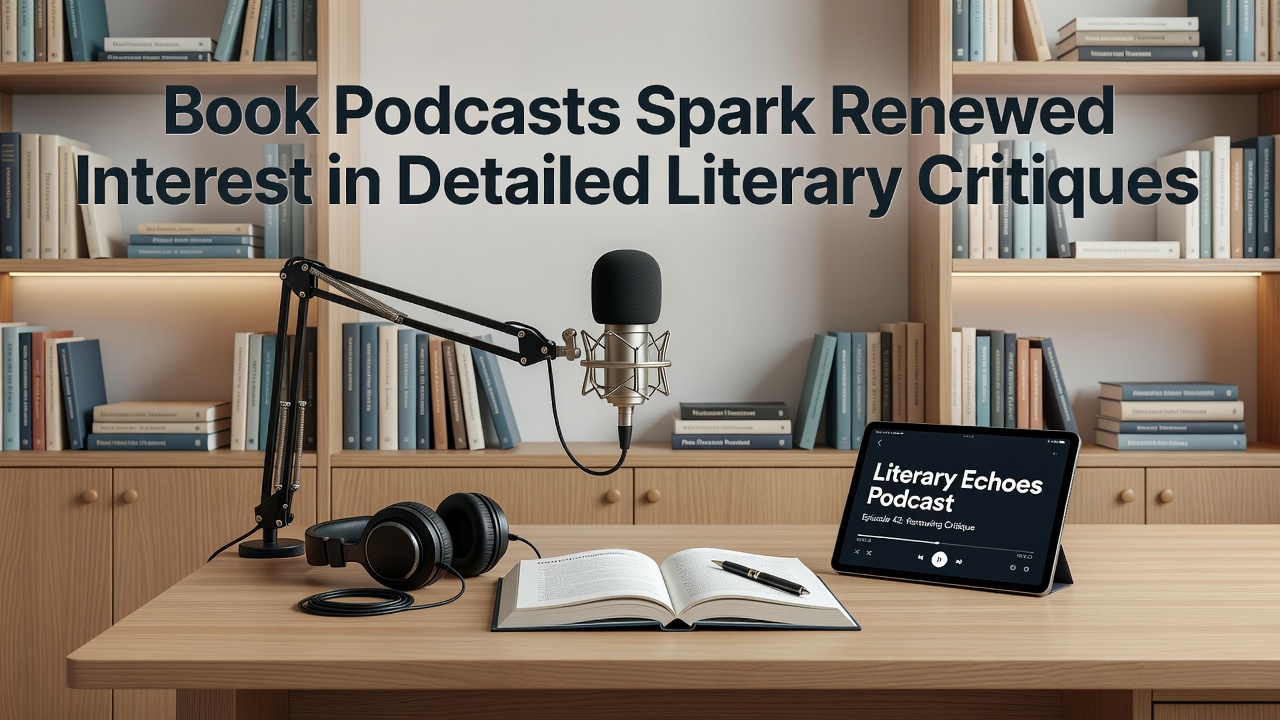
Book podcasts have gained substantial traction in recent years, and data from industry reports shows they are prompting listeners to seek more thorough examinations of literary works. In October 2026 figures from audio consumption trackers indicated a 35 percent rise in episodes dedicated to classic and contemporary fiction analysis compared to the previous year. This growth coincides with expanded listener engagement across multiple platforms, where audiences tune in for discussions that extend beyond surface-level summaries.
Expansion of Podcast Formats Focused on Literature
Producers have developed formats that blend author interviews with close readings of texts, and these approaches attract participants who previously limited their reading to casual consumption. Researchers at several universities documented how such episodes encourage repeated engagement with source material, leading to detailed notes and follow-up questions submitted by listeners. One program that pairs narrative breakdowns with historical context has amassed millions of downloads, while another emphasizes comparative critiques across genres.
Listeners often report turning to supplementary essays and academic journals after hearing these conversations, and platform analytics confirm spikes in searches for related criticism during peak listening hours. The format allows for extended explorations that printed reviews sometimes constrain due to space limitations in traditional publications.
Listener Behaviors and Shifts in Reading Habits
Surveys conducted by literary organizations reveal that regular podcast consumers allocate more time to rereading passages highlighted during episodes. This pattern appears in data collected across North America and Europe, where participants described forming online discussion groups to dissect themes introduced in the audio segments. Such communities frequently reference specific timestamps from episodes when debating character motivations or structural choices in novels.
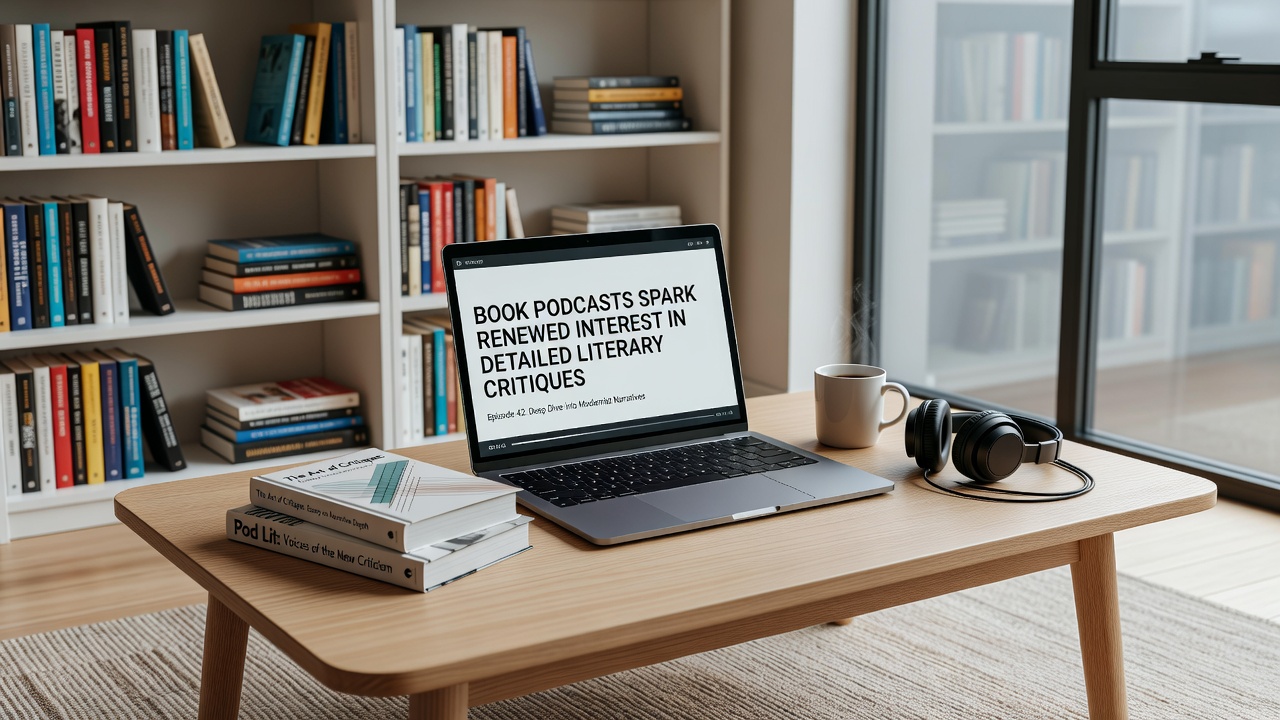
Book clubs affiliated with popular shows have incorporated critique prompts derived directly from podcast content, and membership numbers at these groups increased notably between 2024 and 2026. Publishers have responded by releasing annotated editions that align with episode timelines, providing readers with additional layers of commentary that complement the spoken analysis.
Role of Technology in Facilitating Deeper Engagement
Streaming services now include features that timestamp key discussion points, enabling users to navigate directly to segments analyzing symbolism or narrative techniques. Developers integrated these tools after observing user data showing repeated plays of certain critique portions. Academic institutions have begun recommending select episodes as supplementary material for literature courses, citing their ability to model close-reading practices in an accessible medium.
One study from an Australian research center linked podcast listenership to higher completion rates for longer novels, attributing the effect to the segmented explanations that break complex works into manageable parts. Those who follow multiple shows note overlaps in themes across different hosts, which prompts cross-referencing of interpretations and further exploration of primary texts.
Industry Responses and Content Adaptations
Publishing houses have partnered with podcast networks to produce companion series that delve into editorial decisions behind recent releases. These collaborations supply raw data on sales trends correlated with episode air dates, and the numbers demonstrate measurable upticks following in-depth critiques. Independent authors have used the medium to share draft excerpts and solicit listener feedback, resulting in revisions informed by collective input.
Archives of older episodes remain available, allowing new audiences to trace evolving conversations about canonical works over time. This continuity supports sustained interest rather than fleeting trends, and metrics from content platforms indicate steady accumulation of plays for back-catalog material.
Conclusion
Book podcasts continue to intersect with traditional literary channels, and evidence from consumption statistics points to their contribution in sustaining detailed critiques. As formats evolve and listener communities expand, the medium maintains its position alongside print reviews and academic publications in shaping how readers approach complex texts.